
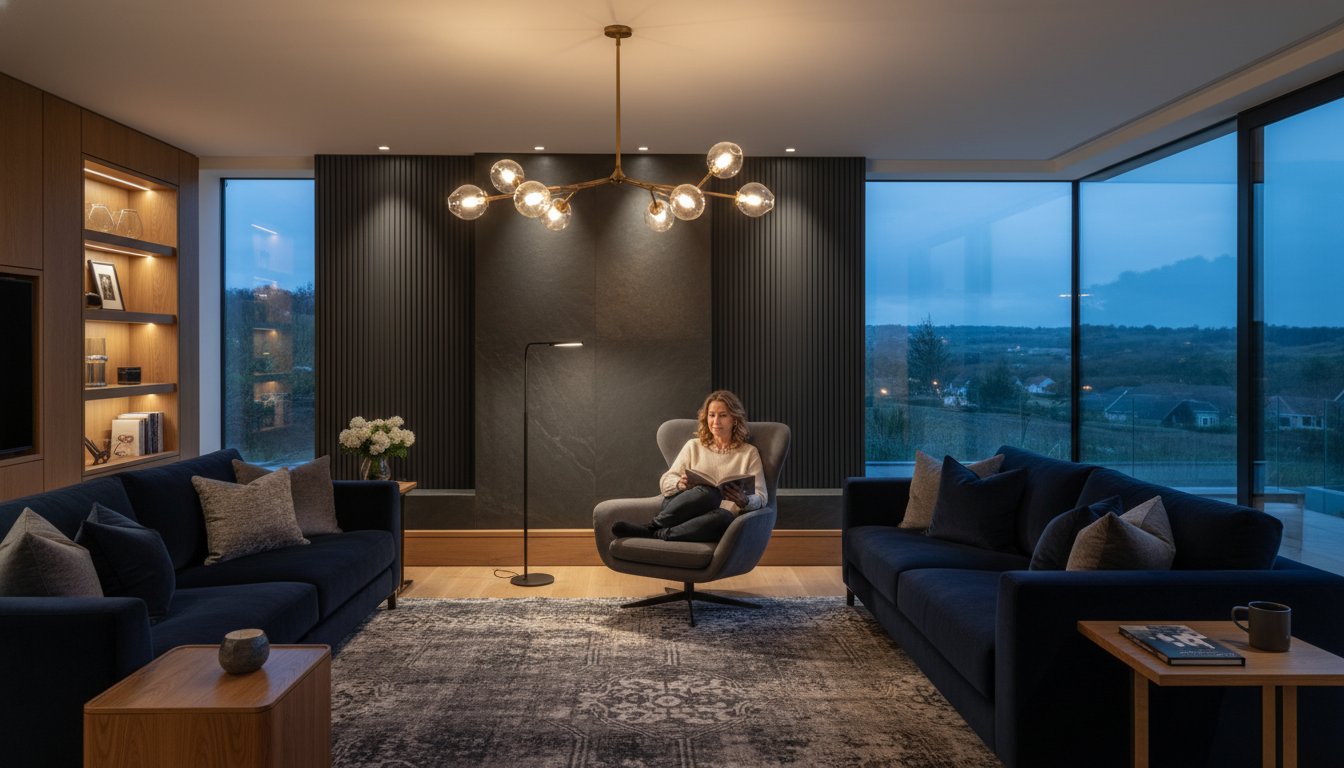
The right illumination can transform a house into a home, but the wrong choice can diminish even the most thoughtfully designed space. Navigating the world of luxury lighting often feels overwhelming, a high-stakes decision where a single misstep can feel like a costly mistake. It is the final, crucial element that defines a room’s character, yet it is frequently the most misunderstood aspect of interior design.
The secret to a truly sophisticated interior lies not in a single, brilliant fixture, but in the artful layering of light. This is the technique designers use to build depth, create ambiance, and ensure every corner of a room is both functional and inviting. By blending different sources of light-from ambient to task to accent-you can craft a dynamic environment that adapts to your every need, whether you are hosting an elegant gathering or seeking a quiet moment of repose.
This guide demystifies the principles of layered lighting. We will provide the clarity and confidence you need to select the perfect statement pieces and complementary fixtures for every room. Prepare to master the art of illumination and create a home that is not just beautifully lit, but is a true reflection of refined living.
What Truly Defines Luxury Lighting?
True luxury lighting transcends mere price. It is an investment in atmosphere, a deliberate choice that elevates a space from simply functional to truly exceptional. Much like the perfect piece of jewellery completes an outfit, a well-chosen light fixture provides the finishing touch to a room, enhancing statement furniture and curated decor. It is not just about illumination; it is about creating mood, drama, and a refined ambiance. This philosophy is the foundation for creating a layered and sophisticated interior, a core principle explored in Understanding the Three Layers of Light.
Exquisite Materials and Finishes
The distinction of high-end lighting begins with its material composition. Where mass-market fixtures often rely on plastics and thin, coated metals, luxury pieces are defined by their substance and authenticity. Think of the inherent warmth of solid brass, the prismatic brilliance of hand-cut crystal, the timeless elegance of marble, or the unique character of artisan-blown glass. These materials are often enhanced with hand-applied finishes, such as antique brass or polished nickel, which add depth and character that cannot be replicated by machine. The choice of material profoundly impacts the quality of light itself, determining whether it is softly diffused, brilliantly refracted, or warmly reflected.
Superior Craftsmanship and Artistry
Beyond materials, the mark of luxury is found in superior craftsmanship. A hand-finished chandelier or a meticulously assembled wall sconce carries an artistry that mass production cannot match. The signs of quality are tangible and clear:
- Seamless Joints: Connections are smooth and flawless, indicating precision engineering.
- Substantial Weight: A reassuring heft that speaks to the quality of the raw materials used.
- Fine Detailing: Intricate elements are sharp, clean, and perfectly executed.
These details stand in stark contrast to the often visible seams, lightweight feel, and minor imperfections common in factory-line items, highlighting the value of skilled, hands-on artistry.
Iconic and Architectural Design
Finally, luxury lighting often serves as a sculptural element within a room. Many iconic fixtures are conceived by renowned designers and artists, transforming them from simple light sources into works of art. A statement chandelier does more than illuminate a dining table; it acts as a central focal point, anchoring the entire design scheme and drawing the eye upward. This approach treats lighting not as an afterthought, but as an integral architectural feature that defines the character and scale of a space, commanding attention and admiration.
The Foundation: Understanding the Three Layers of Light
Layered lighting is a foundational principle of professional interior design. It is the art of combining different light sources to create a space that is not only functional but also rich with depth, warmth, and atmosphere. A truly successful scheme of luxury lighting is more than a single, brilliant fixture; it is a cohesive plan where each layer serves a distinct purpose. When these three layers work in harmony, they transform a room from a simple space into an curated experience.
Layer 1: Ambient Lighting
Ambient light is the general, overall illumination of a room. It functions as the primary source of light, setting the base level of brightness and establishing the fundamental mood. This is your starting point, ensuring safe and comfortable navigation. Key sources for ambient light include:
- Statement Chandeliers
- Recessed Downlights
- Large Pendant Lights
- Flush Mount Ceiling Fixtures
For ultimate control over a room’s atmosphere, integrating dimmer switches with your ambient layer is essential. This allows you to transition from bright and functional to soft and intimate with ease.
Layer 2: Task Lighting
Task lighting provides focused, direct illumination for specific activities. It is essential for enhancing functionality in areas where precision is required, such as kitchens, home offices, and reading nooks. This focused illumination is not merely practical; it is a core component of energy-efficient lighting design, ensuring light is used precisely where needed to prevent eye strain and improve usability. Common examples are under-cabinet lights for food preparation, adjustable desk lamps for work, or elegant bedside lamps for reading.
Layer 3: Accent Lighting
Accent lighting is the most decorative layer, used to create drama and visual interest. This directional light draws the eye to specific focal points, such as artwork, architectural details, or treasured objects. Its purpose is to add depth and dimension to your interior design. By highlighting key features, accent lighting can create a sophisticated, gallery-like feel, turning your home into a showcase of personal style. Effective accent fixtures include discreet picture lights, adjustable track lighting on a feature wall, or uplighters placed to graze a textured surface.
Applying the Layers: A Room-by-Room Luxury Lighting Guide
With the principles of layered lighting established, the next step is implementation. A successful design translates this theory into a cohesive, room-specific plan that enhances both function and atmosphere. This is where a well-considered luxury lighting scheme truly elevates a home. Before selecting specific pieces, understanding the technical aspects, or the Key Elements of a Lighting Scheme, ensures every choice is both beautiful and effective. Here is our guide to applying these layers in the key areas of your home.
The Living Room: Creating Versatility and Warmth
This multi-functional space demands a flexible lighting plan. A central statement piece provides the foundation, while carefully placed task and accent lights adapt the room for reading, socialising, or relaxation.
- Ambient: A statement chandelier or a grand central pendant, controlled by a dimmer switch to adjust the mood.
- Task: Elegant floor lamps beside armchairs for reading, paired with table lamps on side tables for focused pools of light.
- Accent: Discreet picture lights to draw attention to artwork, or integrated spotlights highlighting architectural details or bookshelves.
The Dining Room: Setting the Mood for Entertaining
The dining room is a theatre for entertaining, where lighting sets the entire tone. The focus is on creating an intimate and inviting atmosphere centred around the table, making every meal an occasion.
- Ambient & Task: A dramatic chandelier or a sleek linear pendant suspended over the dining table serves as the primary source for both general illumination and task lighting for meals.
- Accent: Wall sconces flanking a sideboard, mirror, or piece of art add a soft, ambient glow and a layer of sophisticated detail.
The Kitchen: Balancing Function and Style
In the modern home, the kitchen is a hub of activity that requires precision. Here, the lighting plan must be flawlessly functional without sacrificing aesthetic appeal, blending high-performance task lighting with stylish fixtures.
- Ambient: A grid of recessed downlights provides clean, even coverage, often supplemented by stylish flush-mount fixtures for added character.
- Task: Pendants over an island offer direct light for food preparation, while continuous under-cabinet lighting is essential for illuminating worktops.
- Accent: Subtle in-cabinet lighting to display glassware or spotlights directed at a feature backsplash can transform the space.
The Bedroom: A Sanctuary of Serenity
The bedroom’s lighting should promote rest and tranquillity. The goal is to create a soft, layered environment that can be adjusted from bright and functional for dressing to calm and intimate for winding down.
- Ambient: A soft, central ceiling fixture, such as a fabric-shaded pendant or an elegant flush mount, provides gentle, diffused light.
- Task: Bedside table lamps or contemporary wall-mounted reading lights offer focused illumination without disturbing a partner.
- Accent: Low-level floor washers for safe navigation at night or subtle uplighting behind a headboard can create a serene, hotel-like feel.

Choosing Your Fixtures: The Key Elements of a Lighting Scheme
With your layers planned, selecting the right fixtures is the final, crucial step. Each piece in a well-designed scheme has a specific purpose, contributing to the overall balance, function, and aesthetic of the space. Understanding the key categories of luxury lighting will help you choose with confidence, transforming a plan into a tangible, beautifully lit interior.
Ceiling Lighting: The Statement Centrepiece
Ceiling fixtures provide the foundational ambient light. A grand chandelier or a modern pendant acts as a visual anchor over a dining table or in an entryway. For lower ceilings, a flush mount offers elegant illumination without compromising headroom. When selecting a size, a simple rule is to add the room’s length and width in feet; the sum in inches is an ideal diameter for your fixture. Crucially, ensure at least 7 feet of clearance from the floor to the bottom of the hanging light. Discover our collection of luxury chandeliers.
Wall Lighting: Adding Depth and Character
Wall lights, such as sconces and picture lights, introduce light at human height, adding depth and eliminating harsh shadows from overhead sources. They are ideal for accentuating architectural features, artwork, or framing a bathroom mirror. This layer provides soft, secondary ambient light that makes a room feel more considered and inviting. For placement, position sconces flanking a mirror at roughly eye level (approximately 60-66 inches from the floor) to ensure flattering, even illumination.
Lamps: The Finishing Touches
Lamps are the most versatile elements of your lighting plan, providing essential task and accent layers. A well-placed floor lamp can create an intimate reading corner, while elegant table lamps provide focused task lighting on sideboards, consoles, or desks. Beyond their function, lamps are a key decorative element. They introduce colour, texture, and personality, and are the easiest part of a lighting scheme to update, allowing you to refresh your interior’s character over time. Explore our range of statement floor lamps.
The Finer Details: Elevating Your Lighting Design
A truly exceptional lighting scheme moves beyond the selection of beautiful fixtures. The final layer of sophistication lies in the technical details-elements often overlooked, yet essential for creating a professional and responsive environment. Control is as fundamental as the light source itself, transforming a static room into a dynamic and inviting space. Mastering these finer points is the hallmark of genuine luxury lighting design.
The Importance of Colour Temperature (Kelvins)
The colour of light, measured in Kelvins (K), profoundly impacts a room’s atmosphere. A lower Kelvin value creates a warmer, more intimate glow, while a higher value produces a cooler, more energising light.
- Warm White (2700K – 3000K): This is the recommended choice for residential spaces. It mimics the gentle hue of candlelight or an incandescent bulb, creating a cosy and welcoming ambiance perfect for living rooms, bedrooms, and dining areas.
- Cool White (4000K+): This crisp, blue-toned light is better suited for commercial or clinical settings. In the home, it can feel harsh and unwelcoming.
For a cohesive and polished look, it is crucial to maintain a consistent colour temperature across all light sources within a single room or open-plan area.
Dimmer Switches: The Key to Ambiance Control
Dimmer switches are a non-negotiable component of any considered lighting plan. They provide the ultimate flexibility, allowing a single room to adapt to any occasion. With a simple adjustment, a space can transition from bright and functional for daily tasks to a soft, intimate setting for relaxing or entertaining. We recommend installing dimmers on nearly all ambient and accent light sources to give you complete command over the mood of your home.
Smart Lighting and Home Integration
For the pinnacle of modern convenience, integrated smart lighting systems offer unparalleled control. These systems allow you to create and save pre-programmed lighting ‘scenes’ tailored to specific activities. Imagine selecting a “Dinner Party” scene that automatically dims overhead lights and highlights your table, or a “Movie Night” setting that darkens the room with a single command. This level of automation is the final word in bespoke, effortless living and a core feature of contemporary luxury lighting solutions.
Implementing such sophisticated systems, especially as part of a larger renovation, often involves skilled professionals. Residential remodeling services like bluescityhomeremodelingandconstruction.com, for instance, can handle the complex wiring and structural work needed to bring ambitious lighting designs to life.
By focusing on these details, you can curate a lighting environment that is not only beautiful but also perfectly attuned to your lifestyle. To find fixtures worthy of such a considered plan, we invite you to explore our designer lighting collections.
Your Vision, Illuminated
Mastering the art of illumination is about more than function; it is about creating atmosphere. By thoughtfully layering ambient, task, and accent light, you can transform any room from a simple space into a sophisticated experience. The final selection of each fixture is the defining element that completes your design, turning a well-lit room into a statement of personal style.
At Womacks of Bawtry, we understand that the finest interiors deserve exceptional lighting. Our collections are carefully curated from leading designers, and our expert interior design services are available to help you craft the perfect scheme. This is where a house becomes a home, defined by a truly cohesive luxury lighting plan.
Begin your design journey today. Explore our curated collection of luxury lighting or visit our showroom in Bawtry, South Yorkshire, to experience the transformative power of light for yourself. We look forward to illuminating your vision.
Frequently Asked Questions
Is luxury lighting really worth the investment?
Luxury lighting is a defining investment in a home’s aesthetic and atmosphere. It elevates a space beyond mere function, acting as a piece of sculptural art. Superior materials, such as hand-worked metals and artisan glass, ensure longevity and a refined finish. More than just illumination, a well-chosen fixture becomes a central feature that anchors a design scheme, reflecting a commitment to quality and enduring style. It is a crucial element of a truly curated interior.
What is the biggest mistake people make when lighting their homes?
The most common error is relying on a single, central overhead light source. This approach creates harsh glare and stark shadows, resulting in a flat and uninviting atmosphere. A successfully designed space requires layers of light-ambient, task, and accent-to build depth, mood, and functionality. Neglecting this principle is the primary reason a room can feel incomplete, regardless of the quality of its furnishings. Proper layering is essential for a sophisticated interior.
How do I correctly light a room that has very high ceilings?
Rooms with high ceilings demand fixtures of an appropriate scale to occupy the vertical space. A multi-tiered chandelier or a significant long-drop pendant is an effective choice to draw the eye upward and balance the room’s proportions. This primary fixture should be supplemented with wall lights or uplighters. This technique illuminates the upper sections of the walls, preventing the ceiling from feeling like a dark, cavernous void and creating a cohesive, well-lit volume.
Can I mix different metal finishes (e.g., brass and chrome) in my lighting fixtures?
Mixing metal finishes is a sophisticated and contemporary design strategy. To ensure a cohesive result, select one dominant metal to act as the primary finish and use one or two others as subtle accents. For instance, pair statement brass pendants over a kitchen island with discreet chrome cabinet hardware. The key is intention and balance; this considered approach adds visual depth and a curated, designer feel to your space, avoiding a look that is accidental or disjointed.
How do I know what size chandelier is right for my dining room?
A dining room chandelier should be scaled to the table beneath it, not the overall room. A trusted guideline is to select a fixture with a diameter that is between one-half and two-thirds the width of your dining table. This ensures it makes a statement without overwhelming the setting. For height, the base of the chandelier should hang approximately 75 to 90 cm above the tabletop, providing clear illumination without obstructing sightlines across the table.
Should all the lights in a room match?
Fixtures should coordinate, but they do not need to match. A more sophisticated scheme is achieved by creating harmony through a common element, such as the finish, material, or general form. For example, you can pair a structured, modern chandelier with minimalist wall sconces of the same metal. The objective is to create a unified aesthetic, not a uniform one. This approach results in a more dynamic and professionally curated interior space.